Očkování při nemoci: Kdy je bezpečné a kdy ne
When you're sick, should you still get vaccinated? očkování při nemoci, proces, kdy se tělo učí bojovat s konkrétními patogeny bez skutečné infekce. Also known as očkování při zdravotním stavu, it's one of the most common questions parents and adults ask — and the answer isn't always simple. Many people think that if you have a cold, fever, or even a mild infection, you should skip your shot. But that’s not always true. The truth is, horečka, tělesná reakce na infekci nebo zánět alone doesn’t automatically mean you must delay vaccination. What matters is the severity and cause of your symptoms.
Let’s say you have a runny nose and a slight cough but no fever — that’s usually fine. Your immune system can handle both the vaccine and the virus at the same time. In fact, the imunita, schopnost těla rozpoznávat a ničit cizí látky doesn’t get overwhelmed by a vaccine when you’re mildly ill. The same goes for allergies, eczema, or even antibiotics. None of these are reasons to postpone vaccination. But if you have a high fever — above 38.5 °C — or you’re hospitalized because of an infection like pneumonia or flu, then yes, wait. Your body is already working hard. Adding a vaccine on top might make you feel worse, even if it’s not dangerous.
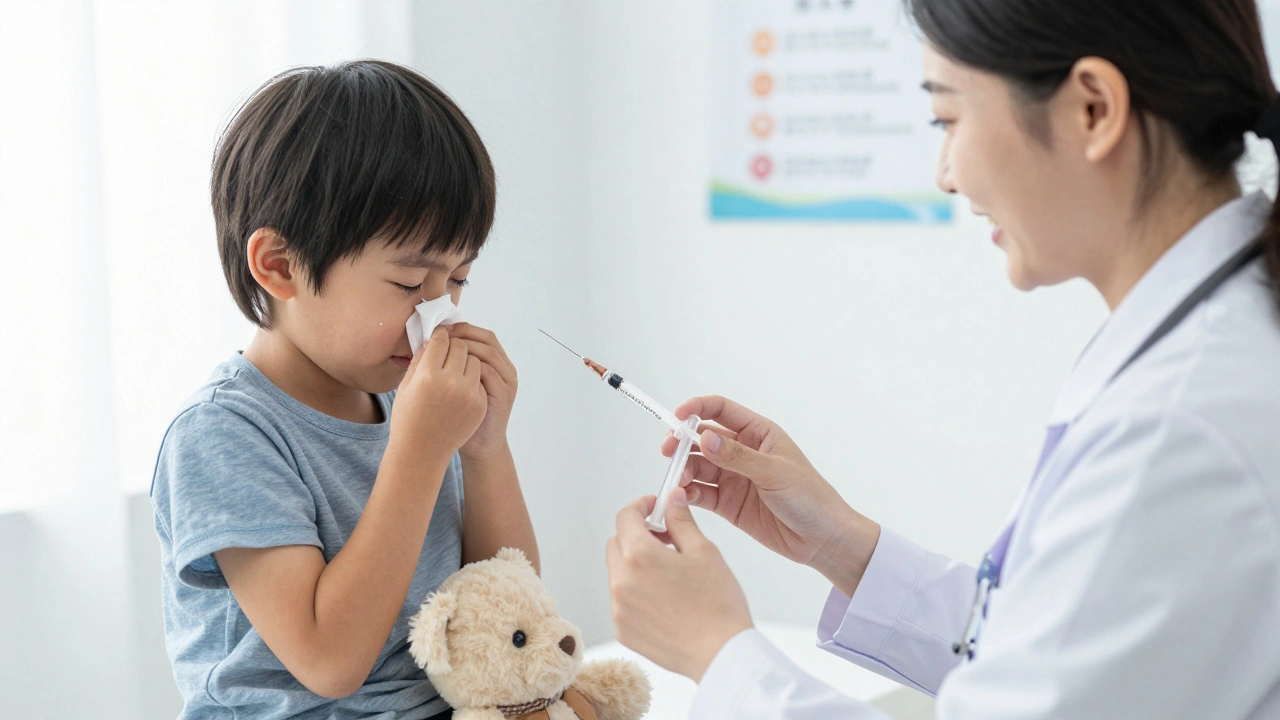
What about kids? Parents often panic when their child gets a cold right before the scheduled hexavakcína. But if the child is eating, drinking, and playing normally — even with a stuffy nose — go ahead. Delaying vaccines leaves them unprotected longer. The same applies to adults getting tetanus boosters or travel vaccines. If you’re just under the weather, don’t cancel. If you’re too sick to get out of bed, reschedule. And always tell the nurse what symptoms you have. They’ll decide based on current guidelines, not old myths.
There’s also a big misunderstanding about antibiotics. Some think taking them means you can’t get vaccinated. Wrong. Antibiotics fight bacteria. Vaccines train your immune system. They don’t interfere. Same with painkillers like paracetamol — if you take them for a headache before vaccination, it won’t ruin the effect. And if you take them afterward for discomfort? Also fine.
The real risk isn’t vaccinating when you’re mildly ill. It’s skipping vaccines because you’re afraid. Every delay increases the chance of catching something serious — like tetanus after a small cut, or whooping cough in a baby. That’s why the WHO and Czech health authorities say: očkování při nemoci is safe in most cases. Only serious illness is a true reason to wait.
Below you’ll find real-life cases and expert advice on exactly when to push forward with vaccination — and when to hold off. Whether you’re worried about your child’s sniffles, your own fever after travel, or whether antibiotics interfere, we’ve got clear answers based on actual medical guidelines — no fluff, no fearmongering, just what works.
Kdy odložit očkování? Praktické pokyny pro děti, dospělé a těhotné
Kdy odložit očkování? Víte, že horečka je důvod, ale lehký kašel ne? Zjistěte, kdy je bezpečné očkovat děti, těhotné ženy a osoby s alergiemi nebo chronickými nemocemi.